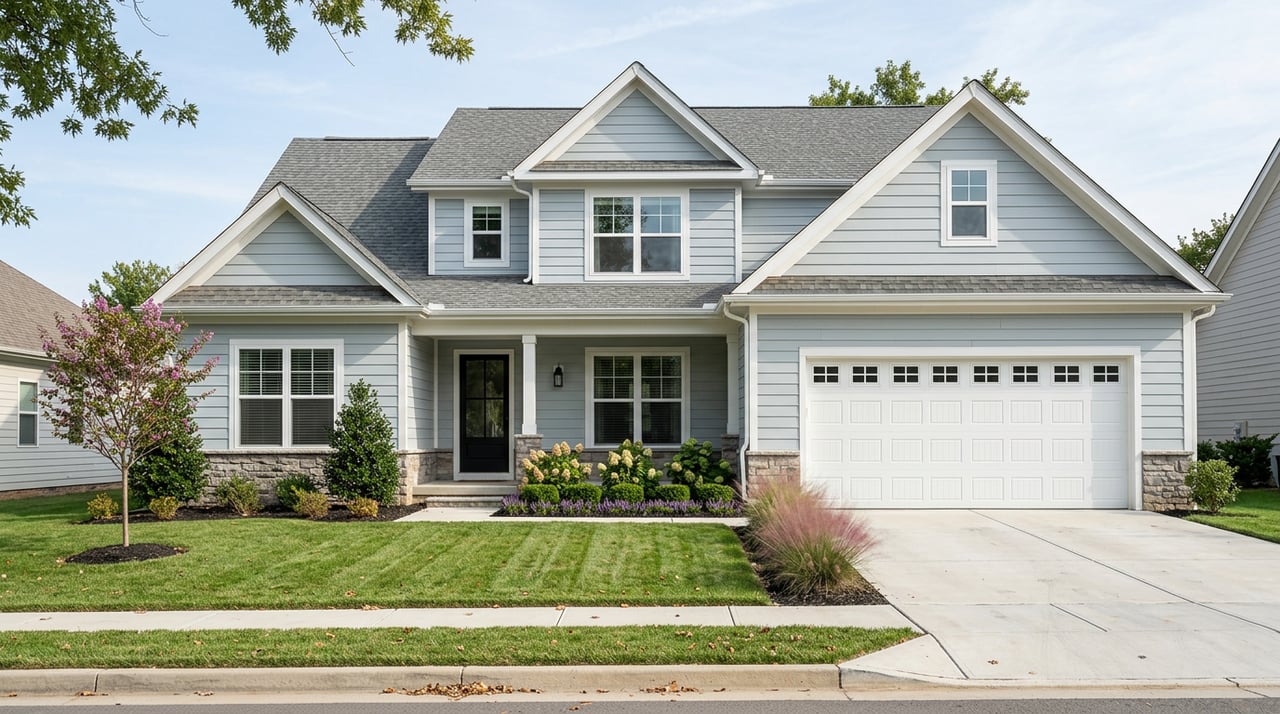
Chapel Hill UNC Housing Guide: Best Neighborhoods to Live
March 5, 2026
March 5, 2026
Working at UNC or UNC Hospitals and wondering where to live in Chapel Hill? You are not alone. With a busy campus, fare-free buses, and a tight housing market, choosing the right neighborhood can feel like a big decision. In this guide, you will compare areas by commute, housing style, and daily life so you can zero in on a home that fits your schedule and budget. Let’s dive in.
Before you pick a neighborhood, map how you will get to work most days. Chapel Hill Transit runs fare-free buses across Chapel Hill, Carrboro, and campus, and UNC promotes alternatives like park-and-ride to reduce single-occupant driving. You can review routes, lots, and commuter programs on UNC’s transportation page. UNC’s transportation guide is a helpful place to start.
If you have kids, confirm school assignment by address through Chapel Hill–Carrboro City Schools. Boundaries can shift, and assignment depends on the exact property location. Check the current map and programs through CHCCS.
Price also matters. Chapel Hill is a competitive market with a typical home value around the mid-six-figure range (Zillow’s city-level index was about $615,000 as of late 2025). Rents are elevated near campus due to strong student and university demand. Expect variation by neighborhood and month.
Use this snapshot to narrow your short list. Then test door-to-door times to your specific building or hospital entrance at the hours you will actually commute.
| Commute zone | Example areas | Typical approach |
|---|---|---|
| Walk or bike in under 20 minutes | Franklin Street corridor, university-adjacent blocks | Walk, bike, or short bus ride |
| 5 to 15 minute drive or direct bus | Meadowmont, Southern Village, Dogwood Acres, Glen Lennox, Carrboro | Short drive, fare-free bus, or park-and-ride |
| 20 to 30 minute drive or park-and-ride | Briar Chapel and other Chatham-area communities | Drive plus park-and-ride or flexible hours |
For park-and-ride permits, lot locations, and schedules, start with the Town’s page for Park & Ride and Chapel Hill Transit.
If you want to walk to the Pit, Polk Place, or the hospital area, living near Franklin Street offers the highest day-to-day convenience. Housing here skews to apartments, condos, townhomes, and older homes converted to multi-unit rentals. Many blocks post strong walkability and put you close to dining, coffee, and campus events.
Typical commute: 5 to 15 minutes on foot or by bike, depending on your building. Bus service is frequent for trips across campus or to farther corners.
What to consider: single-family home inventory is limited and price per square foot is higher for smaller spaces. On-site parking can be tight for some properties, which is why many residents pair this location with transit, walking, or biking.
Meadowmont and Southern Village are master-planned communities with sidewalks, trails, and a central retail village. You get neighborhood parks, small-town conveniences, and a short, predictable trip to UNC. Learn more about local amenities through the Meadowmont community site and the Southern Village site.
Typical commute: 5 to 15 minutes by car to central campus, depending on time of day and exact destination. Both areas connect to Chapel Hill Transit and nearby park-and-ride lots, which many residents use to avoid campus parking.
Housing and price signals: you will find a mix of townhomes, single-family homes, and some condos. These neighborhoods often command a premium compared with many older subdivisions due to amenities and convenient design.
What to consider: lot sizes can be smaller than in older neighborhoods. If you value walkability to a village green, coffee, and community events, the trade-off can be worth it.
Neighborhoods like Dogwood Acres, Glen Lennox, Northside, Pine Knolls, and the Glenwood area offer classic Chapel Hill character. Expect mature trees, a mix of mid-century and later construction, and larger yard options in some sections. Many UNC employees choose these areas for space and proximity without moving far from town.
Typical commute: often 5 to 15 minutes by car. Some streets are bikeable and are served by Chapel Hill Transit routes.
Housing and price signals: price ranges vary by age, size, and level of renovation. Compared with newer planned communities, you may see more square footage for the price in select homes, though inventory can move quickly.
What to consider: walkability depends on the specific street and section. Retail is usually a short drive rather than a stroll.
Carrboro sits right beside campus and has its own downtown, local markets, and neighborhood feel. Many UNC employees live here for a short trip to work and a different small-town vibe.
Typical commute: often 5 to 15 minutes by car or a short ride on Chapel Hill Transit. Park-and-ride options from Carrboro lots add flexibility during peak times.
Schools: many Carrboro addresses fall within CHCCS. Always confirm by address through CHCCS.
If you want newer construction, HOA amenities, and more space for the price, look a bit farther out. Briar Chapel and nearby Chatham County communities often deliver newer floor plans and community amenities with a longer drive to campus. Residents trade proximity for space and value.
Typical commute: about 20 to 30 minutes by car to central Chapel Hill, depending on traffic and your precise destination.
Schools and services: verify district and county services before you decide. These areas are commonly in Chatham County schools, not CHCCS. Some Town of Chapel Hill services, like the public library, differ for nonresidents. The Chapel Hill Public Library outlines nonresident card options on its Get a library card page.
Use this simple process to compare neighborhoods like a pro.
Finding the right home near UNC is about balancing time, budget, and daily life. If you want a walkable routine, focus close to campus. If you want more space with a short drive, look at planned communities or established neighborhoods within 5 to 15 minutes. If you want more home for the price and do not mind a longer trip, consider Chatham-area communities with a 20 to 30 minute commute. When you are ready, our team can help you compare options, confirm details with CHCCS and UNC Transportation & Parking, and move with confidence.
Ready to narrow your list and see homes that match your UNC routine? Connect with DuBois Property Group to schedule a consultation.
August 20, 2026
August 13, 2026
August 6, 2026
August 6, 2026
July 23, 2026

July 16, 2026
July 9, 2026
July 2, 2026
June 25, 2026
Whether buying, selling, or relocating to the Triangle area, DuBois Property Group is dedicated to providing personalized real estate services for buyers and sellers.