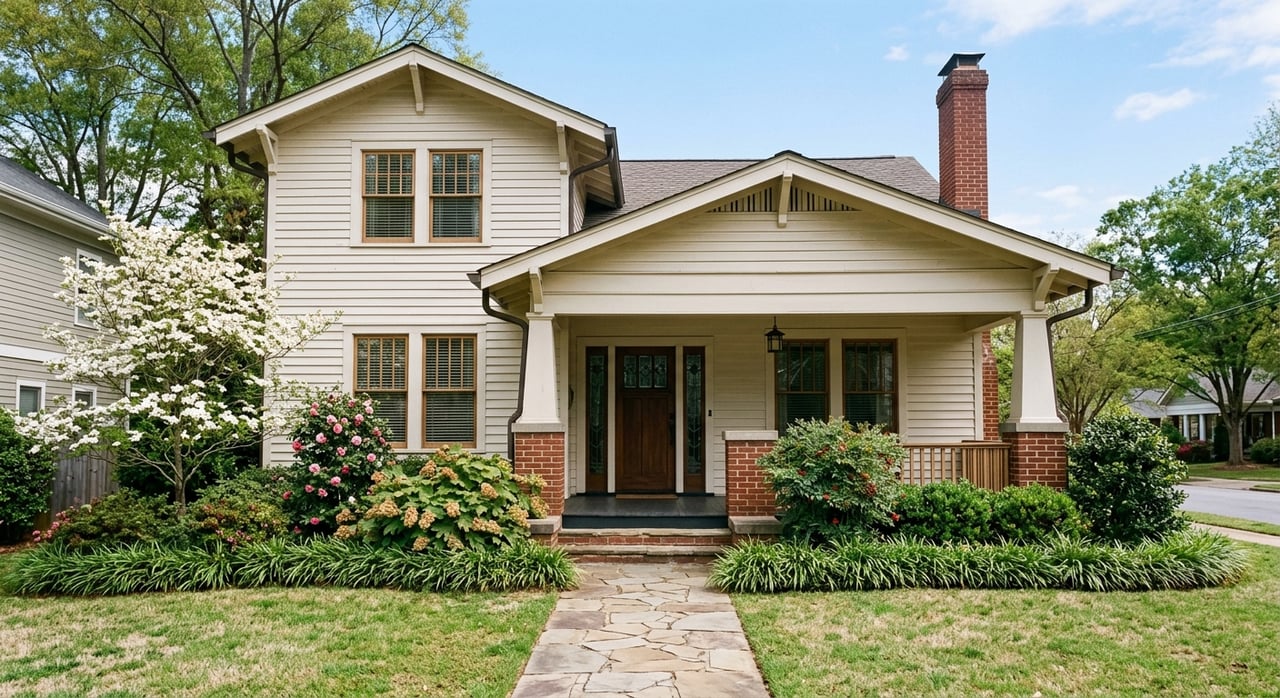
How to Sell a Historic Home in Durham Today
May 21, 2026
May 21, 2026
If you own a historic home in Durham, you already know it is not just another listing. Character, age, craftsmanship, and location can make your property stand out, but they can also raise questions about pricing, repairs, disclosures, and buyer expectations. The good news is that with the right plan, you can position your home well in today’s market and avoid surprises along the way. Let’s dive in.
In Durham, “historic” can mean more than just old. The city has eight designated local historic districts, including Downtown Durham, Morehead Hill, Trinity Heights, and Watts-Hillandale. Many of Durham’s older in-town neighborhoods also include homes built in the 1920s and 1930s, which helps explain why older housing remains an important part of the local market.
That said, not every older home is regulated the same way. A home in a local historic district is subject to local preservation rules because the district is a zoning tool. A home that is only National Register listed does not automatically face the same local restrictions on private property use, treatment, or transfer.
If your property is a local landmark, there may also be a tax deferral tied to 50% of the property value. After closing, a new owner must reapply. That makes it especially important to confirm your property’s exact designation before you list, market the home, or plan any work.
Durham’s market is still active, but it is not moving at the same pace as the most overheated years. In March 2026, Redfin reported a Durham median sale price of $425,000, down 1.2% year over year, with homes selling in about 45 days and receiving an average of two offers. Realtor.com also showed softer year-over-year conditions, with about 2.2K homes for sale in Durham County and homes selling for 1.03% below asking on average.
For a historic home, this matters. Buyers may still pay for charm, location, and architectural details, but they are also weighing condition, maintenance needs, and future improvement costs more carefully. In a more balanced market, character alone is usually not enough to justify aggressive pricing.
A smart pricing strategy should look at:
In other words, a historic Durham home should be priced as a full package, not just by square footage or rarity.
If your home is in a local historic district or is a designated local landmark, Durham requires a Certificate of Appropriateness, or COA, for many exterior changes and site improvements. The city lists doors, landscaping, lighting, paving, roofing, siding, windows, walls, fences, signage, and above-ground utilities among the items that may trigger review. Even if no building permit is required, COA approval must happen before the work begins.
Routine maintenance is treated differently. If the work does not change the appearance, design, or materials, Durham says it usually does not require a COA. That can be helpful if your goal is to improve presentation without making bigger exterior changes before listing.
For most sellers, the safest approach is to focus first on visible upkeep and stabilization. Repairing or maintaining original features is often more straightforward than replacing them with something new. Before starting any exterior project, confirm how your home is designated and whether city review is needed.
Historic homes can attract strong interest, but visible neglect can quickly narrow your buyer pool. Durham’s preservation guidance warns that demolition by neglect can include serious deterioration in roofs, foundations, walls, floors, chimneys, and other conditions that leave a building structurally unsafe or not properly watertight.
That does not mean you need to complete a full renovation before you sell. It does mean buyers will notice missing maintenance, and in today’s market they are more likely to factor those issues into offers and repair requests.
Before your home goes live, pay close attention to:
When a historic home looks cared for, buyers are more likely to see the value in its original details instead of focusing only on future expenses.
Older homes often come with more inspection questions, even when they have been well maintained. NC State Extension notes that inspections of older homes should pay attention to electrical upgrades such as GFCI protection, plumbing fixture condition, water damage, foundation concerns, and radon. It also notes that lead paint and lead in water pipes can remain concerns in older properties.
Lead is especially important if your home was built before 1978. According to EPA guidance, homes built before that year are more likely to contain lead-based paint. For most pre-1978 homes, sellers must disclose known lead-based paint or hazards, provide the required pamphlet, retain signed acknowledgments, and give buyers a 10-day opportunity to test.
A pre-listing inspection is not required by law, but it can be a smart move. It gives you a clearer picture of what a buyer’s inspector is likely to find and gives you more control over whether to repair, disclose, or price around those issues before negotiations begin.
North Carolina requires sellers of most one- to four-unit residential properties to provide a Residential Property Disclosure Statement. The form covers major components and systems such as the roof, chimneys, floors, foundation, basement, plumbing, electrical, heating, and cooling. It also includes wood-destroying insects, zoning laws and other land-use restrictions, and environmental issues such as lead-based paint, asbestos, radon, methane gas, underground storage tanks, and other hazardous materials.
This matters even more with a historic Durham home because local historic district status is a land-use restriction tied to zoning. If your home is in a local historic district, be prepared to address that clearly during disclosure and due diligence. Buyers should understand what the designation means for future exterior work.
Good disclosure is not about making your home sound flawed. It is about being accurate, organized, and transparent so buyers can move forward with confidence.
Historic homes tend to attract buyers who value location, original details, and the experience of owning an older property. Those buyers are often open to maintenance responsibilities, but they still want clarity. The more documentation you can provide, the easier it is for them to understand the home and feel comfortable making an offer.
Helpful materials may include:
This kind of information helps buyers separate normal old-house ownership from avoidable risk. It also supports your asking price by showing that the home has been actively cared for.
When selling a historic Durham property, the marketing should do more than highlight charm. Buyers need a clear story about condition, stewardship, and what makes the home special within the local context. Strong presentation can help your home stand out, but the message has to be honest and practical.
Your marketing should emphasize:
This is where elevated photography, staging, and thoughtful positioning matter. A historic home often sells best when buyers can quickly see both the lifestyle appeal and the practical care behind the scenes.
In a market where homes are taking longer to sell and buyers have more room to negotiate, preparation matters. Historic homes can still command attention, but they usually perform best when sellers are realistic about condition, upfront about restrictions, and intentional about pricing.
That is why the process should start well before you list. When you verify designation, review needed approvals, gather maintenance records, and build a pricing plan around today’s market, you give yourself a better chance at a cleaner sale and stronger result.
If you are thinking about selling a historic home in Durham, the right local guidance can make the process far less stressful. The team at DuBois Property Group can help you prepare, position, and market your home with a strategy built for today’s Triangle market.
September 17, 2026

September 10, 2026
September 3, 2026
August 27, 2026
August 20, 2026
August 13, 2026
August 6, 2026
August 6, 2026

July 23, 2026
Whether buying, selling, or relocating to the Triangle area, DuBois Property Group is dedicated to providing personalized real estate services for buyers and sellers.