Living in Chapel Hill NC: What Everyday Life Feels Like
June 18, 2026
June 18, 2026
If you are thinking about a move to Chapel Hill, you are probably wondering what life there actually feels like once the moving boxes are gone. Beyond the college-town reputation, Chapel Hill offers a day-to-day rhythm shaped by walkable districts, public green space, local dining, arts, and regional connections across the Triangle. If you want a clearer picture of how people live, get around, and spend their time here, this guide will help you picture everyday life. Let’s dive in.
One of the most helpful ways to understand Chapel Hill is to think of it as a group of connected districts instead of one main commercial strip. The Town describes Chapel Hill as a mix of historic homes, modern apartments, parks, arts, local businesses, and a diverse resident base.
That mix shows up in how people experience the town. Visit Chapel Hill organizes the area around places like downtown, UNC, Carrboro, East 54, Meadowmont, and Southern Village. Each area has its own daily pace, which gives you options depending on how you want to live.
Downtown is widely seen as the town’s economic and cultural heart. It also acts as a gateway to UNC and Carrboro, which helps explain why Chapel Hill often feels active, connected, and easy to navigate in pockets rather than spread around one single center.
If walkability matters to you, Chapel Hill offers some strong everyday advantages. Downtown Chapel Hill is described as historic and walkable, with shops, restaurants, and cultural destinations concentrated near Franklin Street.
Franklin Street plays a big role in daily life near the core. It is where you can find coffee shops, restaurants, and gathering spots within a compact area, especially close to UNC. For many residents, that means errands, meals, and casual meetups can happen without a long drive.
That said, Chapel Hill is not uniformly walkable in the same way from one area to the next. Car-light living is most realistic near the town core and in neighborhoods with strong transit connections. If that lifestyle is important to you, location choice matters.
Outdoor access is not just a weekend perk in Chapel Hill. The town maintains about 17.6 miles of urban greenways and trails, along with more than 730 acres of public spaces.
That kind of access can shape your routine in a simple way. You may find it easier to fit in a morning walk, an afternoon bike ride, or time outdoors without needing to plan a full outing.
Several public spaces help define the local lifestyle. Southern Community Park is one of the better-known outdoor spots, and the Gene Strowd Community Rose Garden offers a free public garden setting. Near UNC, places like Coker Arboretum and the North Carolina Botanical Garden add more natural spaces close to the center of town.
Chapel Hill Transit gives residents another practical option for getting around. The system is fare-free, serves Chapel Hill, Carrboro, and UNC, operates seven days a week, and reports more than 7 million rides annually across 21 routes.
For everyday life, that means transit is not just a niche feature. It is part of how many people move between neighborhoods, campus areas, and nearby destinations.
This can be especially useful if you want to reduce how often you drive. It also adds flexibility for households that want access to amenities and activities without relying on a car for every trip.
Chapel Hill’s food scene is part of its day-to-day appeal. The Town highlights cozy coffee shops and award-winning restaurants as part of local life, and Morehead Planetarium notes that dozens of restaurants sit within walking distance on Franklin Street.
In practical terms, that gives you variety without needing to travel far from the center. A quick coffee, a casual lunch, or a dinner out can feel built into the neighborhood experience, especially downtown.
Other parts of Chapel Hill offer a different rhythm. In Southern Village, Weaver Street Market serves as a neighborhood hub, while La Vita Dolce adds coffee, gelato, sandwiches, outdoor dining, and live music. That creates a smaller-scale gathering pattern that feels more village-like than downtown.
Chapel Hill has a strong cultural thread that shows up in everyday spaces. Chapel Hill Community Arts & Culture runs free public events and rotating exhibits, including public art shows, murals, Juneteenth programming, Pride Promenade, and seasonal community events.
That matters because it adds activity beyond restaurants and shopping. Public art and town events can make regular routines feel more connected to the place itself.
UNC’s cultural institutions also shape the local experience. Carolina Performing Arts hosts events in Memorial Hall and CURRENT ArtSpace + Studio, while Morehead Planetarium sits near other cultural destinations like Ackland Art Museum, the Botanical Garden, Coker Arboretum, and Wilson Library.
For many residents, this means arts and culture are easy to access rather than occasional special trips. You can build them into a normal week.
If you like routines that feel rooted in place, the Chapel Hill Farmers’ Market is another meaningful part of local life. It is open Saturdays year-round and Tuesdays in season, with vendors coming from within 60 miles of town.
That regular schedule gives residents a simple way to shop local and build familiar weekly habits. It also adds to Chapel Hill’s sense of being compact and community-oriented, even while it connects to the wider region.
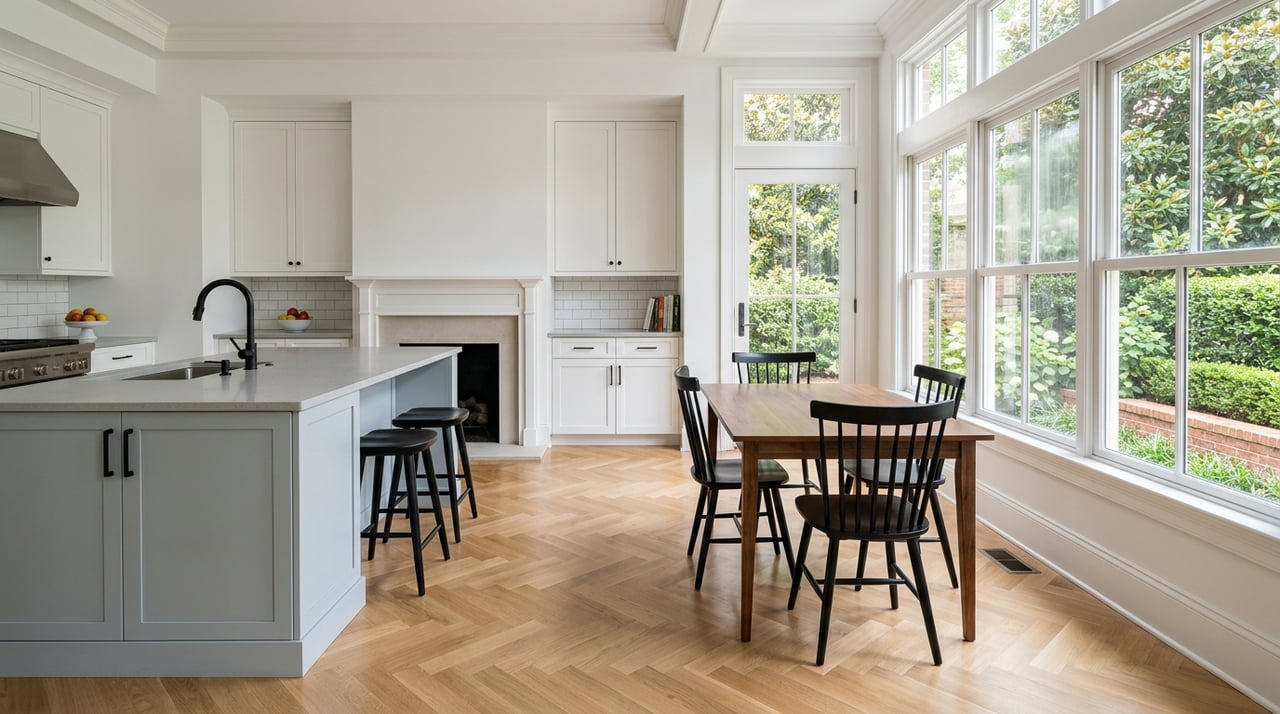
Chapel Hill is not a one-style housing market, and that is important to know if you are trying to match your home to your lifestyle. The Town points to a wide housing mix that includes historic homes, modern apartments, student housing, and additional housing types being added over time.
Near downtown and UNC, the housing pattern tends to include historic districts and student housing. Northside is noted for single-family residential houses, while East 54 is described as a modern mixed-use district with lofts.
Meadowmont features designed homes with a village center, and Southern Village offers multiple living options along with parks and public green space. In real life, that means your daily experience can look very different depending on where you choose to live.
If you want older character and a more central setting, areas near downtown may appeal to you. If you prefer newer, denser development near shops and services, mixed-use nodes may feel like a better fit. If you want a more suburban village feel with nearby amenities, planned communities such as Meadowmont and Southern Village may be worth a closer look.
Even though Chapel Hill can feel compact locally, it has useful regional connections. Chapel Hill Transit helps residents move around town, while GoTriangle extends access outward.
Current GoTriangle maps show Route 400 between Downtown Durham and Downtown Chapel Hill and UNC, Route 420 to Hillsborough, and express service to Raleigh via CRX. Route 800 also links UNC Hospitals, UNC, Southpoint, and the Regional Transit Center, where RTP Connect serves as a practical connection into Research Triangle Park.
Visit Chapel Hill also notes easy access to I-40 and RDU, with Orange County sitting on the edge of Research Triangle Park. For relocation buyers and commuters, that means Chapel Hill can offer a local neighborhood feel without cutting you off from Durham, Raleigh, RTP, or the airport.
Put it all together, and Chapel Hill reads as a compact university town with several village-style subareas. You get a mix of walkable pockets, outdoor access, fare-free transit, active arts programming, and housing choices that range from historic to modern.
For some people, everyday life here may center on downtown sidewalks, Franklin Street restaurants, and nearby campus culture. For others, it may look more like greenways, planned neighborhood centers, and transit or road connections into the rest of the Triangle.
That flexibility is part of Chapel Hill’s appeal. You are not choosing one single version of town life. You are choosing the part of Chapel Hill that best matches how you want to live.
If you are exploring Chapel Hill as your next move, having neighborhood-level guidance can make the decision much easier. DuBois Property Group helps buyers, sellers, and relocation clients navigate the Triangle with clear local insight and a high-touch approach.

August 13, 2026
August 6, 2026
August 6, 2026

July 23, 2026

July 16, 2026
July 9, 2026
July 2, 2026
June 25, 2026
June 18, 2026
Whether buying, selling, or relocating to the Triangle area, DuBois Property Group is dedicated to providing personalized real estate services for buyers and sellers.